If you’ve ever spent a Saturday afternoon skimming leaves, scrubbing walls, and vacuuming the bottom of your pool, you know how tedious manual cleaning can be. Between balancing chemicals, maintaining equipment, and physically removing debris, pool ownership sometimes feels more like a chore than a luxury. The hours add up quickly, and the results often fall short of what you’d expect for the effort involved.
Robotic inground pool cleaners have transformed how homeowners approach pool maintenance. These self-contained, intelligent machines handle the scrubbing, vacuuming, and filtering that once demanded your entire weekend—all while you relax or tend to other tasks. They represent a shift toward smarter, more efficient home swimming pool care that saves both time and energy.
This guide walks you through everything you need to know to choose the right robotic pool cleaner for your needs. From understanding essential features and comparing cordless pool cleaners to evaluating cost-effectiveness and long-term value, you’ll find practical steps and clear criteria to make a confident, informed decision for easy and affordable pool upkeep.
Understanding Robotic Inground Pool Cleaners and Their Benefits
A robotic inground pool cleaner is a self-contained, electrically powered device that independently navigates your pool’s floor, walls, and waterline to remove dirt, algae, and debris. Unlike suction-side or pressure-side cleaners that rely on your pool’s existing pump and filtration system, robotic cleaners operate with their own internal motors, filters, and microprocessors. This independence means they don’t add strain to your pool equipment or increase your system’s energy consumption.
The efficiency gains are substantial. A robotic cleaner completes a full cleaning cycle in two to three hours, scrubbing surfaces and capturing particles as small as two microns—far finer than what most pool filters catch. This thorough filtration improves water clarity and reduces the chemical load needed to maintain proper hygiene, since fewer contaminants remain circulating in the water.
For homeowners seeking easy and efficient pool maintenance, the time savings alone justify serious consideration. Instead of dedicating hours each week to manual vacuuming and brushing, you simply place the robot in the water, press a button, and return to a clean pool. The reduction in manual labor transforms pool ownership from a demanding obligation into the enjoyable experience it was always meant to be, while keeping your swimming environment consistently healthier for family and guests.
See also: HDFC Fintechasia Net: HDFC Fintechasia: Navigating Digital Financial Services
Essential Features for Efficient Pool Maintenance
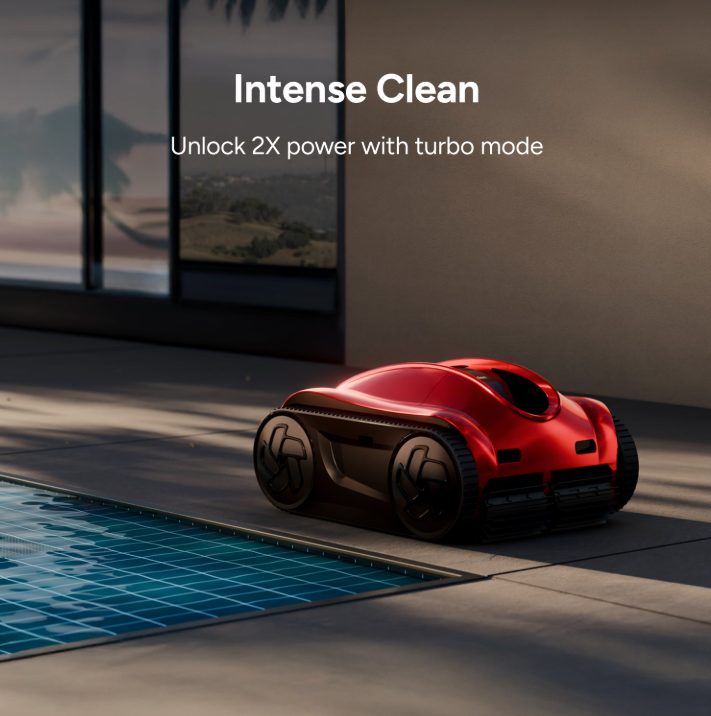
When evaluating robotic inground pool cleaners, four core features determine how well a unit performs: suction power, filtration capability, navigation technology, and build durability. Suction power dictates whether the cleaner can lift settled sand, fine silt, and heavier debris like acorns or pebbles from your pool’s surfaces. Durability matters because the machine operates in a chemically treated, submerged environment—look for units with reinforced housings and corrosion-resistant components that withstand seasons of regular use.
Filtration and Cleaning Performance
Advanced filtration separates a good robotic cleaner from a great one. Multi-layer filter systems capture everything from large leaves down to microscopic algae spores, meaning fewer particles recirculate into your water. This directly reduces how often you need to shock your pool or adjust chemical levels, since the cleaner handles contaminant removal that your main filter might miss. Fine-mesh cartridges or filter bags rated below five microns deliver noticeably clearer water within a single cleaning cycle, extending the time between deep-maintenance sessions and keeping your pool swim-ready with minimal intervention.
Navigation and Coverage
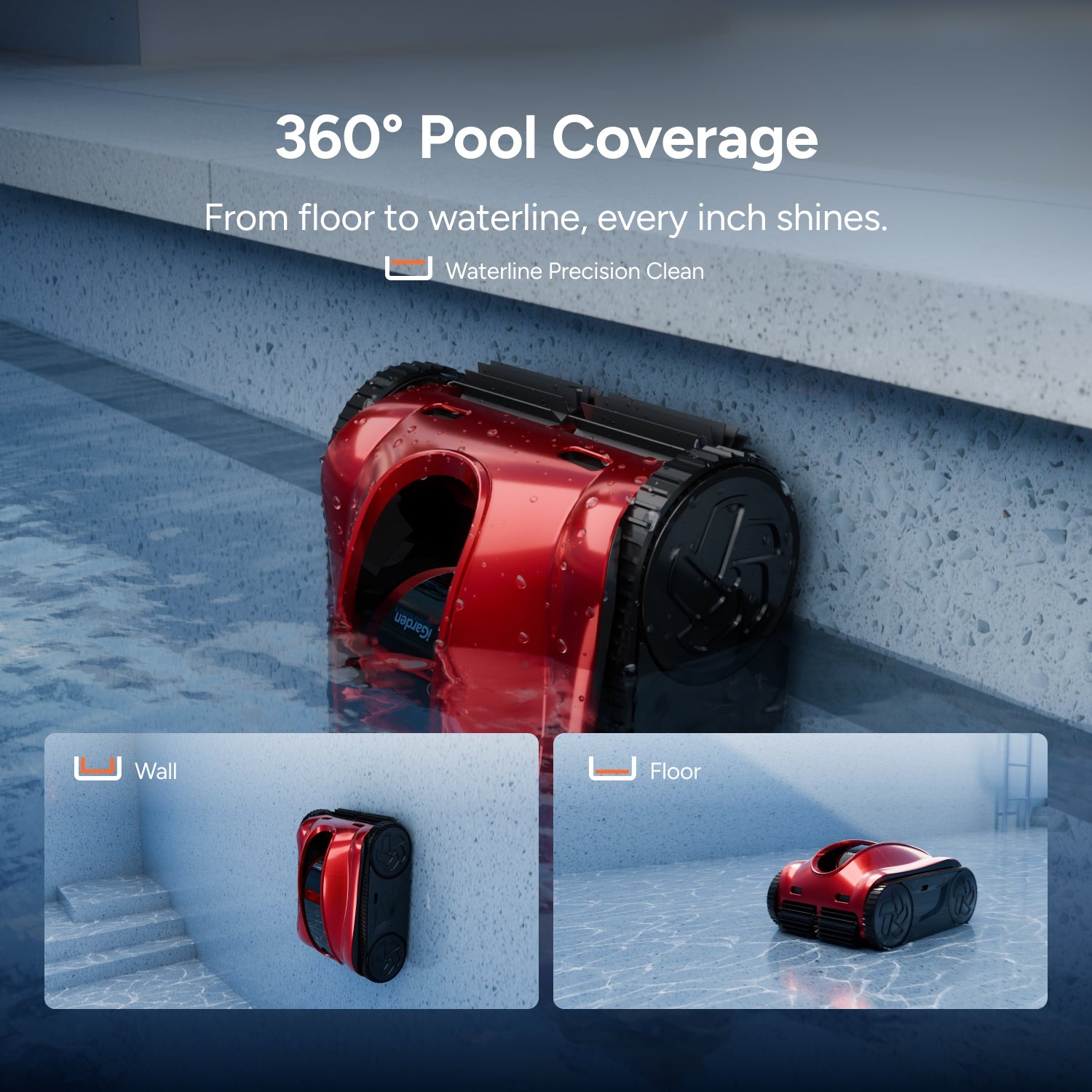
Smart navigation ensures every square inch of your home swimming pool receives attention. Modern robotic cleaners use gyroscopes, accelerometers, or onboard mapping algorithms to chart efficient cleaning paths rather than bouncing randomly off walls. This systematic approach means the unit covers floors, walls, and the waterline in fewer passes, completing cycles faster while consuming less energy. For irregularly shaped pools with steps, benches, or shallow ledges, adaptive navigation prevents the robot from getting stuck and guarantees consistent coverage across complex surfaces—a critical factor in maintaining overall pool maintenance efficiency without manual oversight.
Cordless Pool Cleaners: Pros and Cons for Homeowners
Cordless pool cleaners have gained popularity among homeowners who value convenience and flexibility. Without a power cable tethering the unit to a transformer, these models offer unrestricted movement throughout your pool and eliminate the hassle of tangled cords or limited reach in larger swimming areas. Setup is remarkably simple—drop the cleaner in, press start, and walk away without managing cable placement or worrying about snags on ladders and handrails.
However, cordless models come with trade-offs worth considering. Battery life typically ranges from one to three hours per charge, which may not be sufficient for thorough cleaning of larger inground pools in a single session. Some cordless pool cleaners deliver slightly less suction power than their corded counterparts, since battery-driven motors must balance performance with energy conservation. The initial investment tends to run higher as well, and batteries eventually degrade, requiring replacement after two to four years of regular use.
For homeowners with small to mid-sized pools who prioritize ease of use and portability, cordless models represent a cost-effective choice that simplifies routine maintenance. If your pool exceeds average dimensions or accumulates heavy debris regularly, a corded robotic pool cleaner may deliver more consistent power and longer run times without the constraint of battery capacity. Weighing your pool’s specific demands against these factors helps determine which format serves your maintenance goals best.
Step-by-Step Guide to Choosing Your Robotic Pool Cleaner
Selecting the right robotic pool cleaner doesn’t have to feel overwhelming. By breaking the decision into manageable steps, you can match your specific pool conditions and maintenance preferences to a model that delivers reliable, long-term performance.
Step 1: Assess Your Pool Size and Type
Start by measuring your pool’s length, width, and depth, then note its shape and surface material. A compact robotic pool cleaner designed for pools under 30 feet may struggle to cover a large freeform pool efficiently, while an oversized unit wastes energy in a smaller rectangular basin. Consider your pool’s surface—fiberglass, vinyl liner, or gunite—since different brush types work better on different textures. Aggressive scrubbing brushes excel on textured and concrete but can damage delicate vinyl. Also account for obstacles like built-in steps, sun ledges, or swim-outs that require adaptive climbing ability. Matching the cleaner’s cable length or battery range to your pool’s maximum diagonal distance ensures complete coverage without dead zones.
Step 2: Set a Budget and Compare Costs
Determine what you’re comfortable spending upfront, but factor in ongoing expenses like replacement filters, brushes, and electricity or battery replacements. A cost-effective approach means looking beyond the purchase price to calculate total ownership costs over three to five years. Corded robotic cleaners generally carry lower upfront costs and no battery replacement fees, while cordless pool cleaners offer convenience at a premium. Compare models within your budget by listing which features each includes—wall climbing, waterline scrubbing, programmable scheduling, and app connectivity all add value but also increase cost. Prioritize the capabilities that address your pool’s actual challenges rather than paying for features you won’t use.
Step 3: Read Reviews and Check Warranties
Before committing, spend time reading verified owner reviews from people with pools similar to yours in size, shape, and debris conditions. Pay attention to comments about long-term reliability, customer service responsiveness, and how well the robotic pool cleaner handles real-world scenarios like algae buildup or heavy leaf fall. Warranty terms vary significantly between manufacturers—look for coverage of at least two years on the motor and internal components, and confirm whether the warranty covers normal wear items like tracks and filter cartridges. A strong warranty paired with accessible replacement parts signals a manufacturer confident in their product’s durability, giving you peace of mind that your investment in easy pool maintenance will pay off season after season.
Cost-Effectiveness and Long-Term Savings
Investing in a robotic inground pool cleaner pays for itself through measurable reductions in ongoing expenses. Because these machines handle filtration independently, your main pool pump runs fewer hours each day—translating to lower electricity bills that can save hundreds annually. Cleaner water also means reduced chemical consumption; when a robotic cleaner removes fine particles and algae before they multiply, you spend less on chlorine, algaecide, and clarifiers to maintain balanced water chemistry.
Compared to hiring a weekly pool service, a robotic pool cleaner typically recoups its cost within one to two seasons while delivering more frequent cleaning. Many homeowners who integrate their pool cleaner into a broader smart home ecosystem—using platforms like iGarden to schedule and monitor outdoor maintenance devices—find it even easier to maintain consistent cleaning routines. To maximize your return, run the cleaner on a consistent schedule rather than waiting for visible buildup, rinse filters after each cycle to maintain peak suction, and store the unit out of direct sunlight to extend component life. These simple habits keep replacement part costs low and ensure your cost-effective cleaning solution performs at its best for five years or more, making every swim feel effortless without straining your household budget.
Make Your Robotic Pool Cleaner Investment with Confidence
Choosing the best robotic inground pool cleaner comes down to aligning your pool’s specific characteristics with the right combination of features, format, and budget. The essential elements—strong suction, fine filtration, intelligent navigation, and durable construction—form the foundation of any worthwhile investment. Whether you opt for a cordless pool cleaner that offers untethered convenience or a corded model that delivers sustained power for larger pools, understanding the trade-offs ensures you won’t regret your decision months down the road.
The step-by-step approach outlined here—assessing your pool dimensions, setting a realistic budget that accounts for total ownership costs, and validating your choice through reviews and warranty research—removes guesswork from the process. When you pair the right robotic pool cleaner with consistent maintenance habits, you unlock genuine long-term savings on energy, chemicals, and professional services while enjoying a consistently clean home swimming pool.
Take what you’ve learned and apply it to your search with confidence. The right robotic cleaner doesn’t just maintain your pool—it gives you back your weekends and transforms pool ownership into the relaxing experience you originally envisioned.