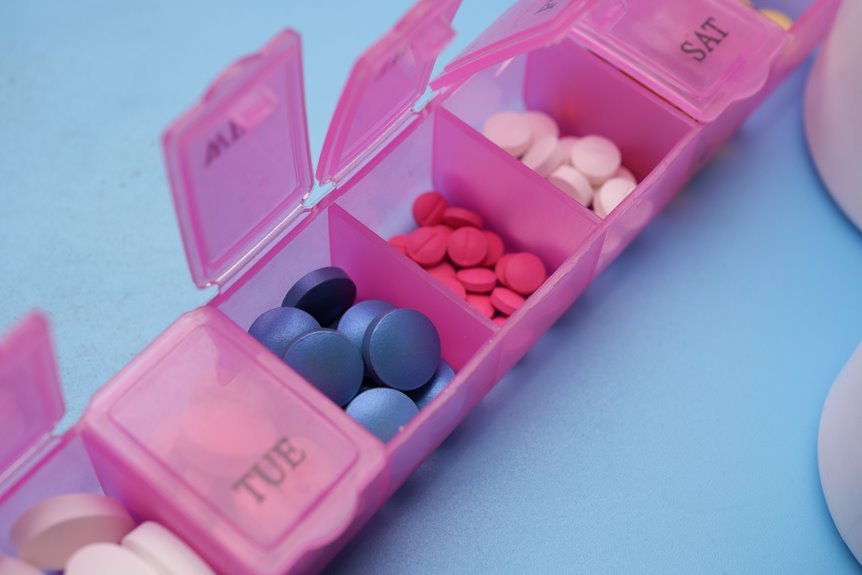
Proper medication storage reduces mistakes and preserves efficacy. Common errors include storing drugs in bathrooms, mixing expired items with current supplies, and failing to keep original labeling. Evidence supports cool, dry, temperature-controlled spaces and childproofing. Keep items in their original containers with clear dates and dosage instructions, and separate expired products for safe disposal. A structured system for daily use and travel minimizes mix-ups and theft. The next step reveals practical, actionable steps to implement these safeguards.
Why Medication Storage Matters for Safety and Efficacy
Proper medication storage directly affects both safety and effectiveness. The topic emphasizes why correct practices matter for reliable outcomes. Storing medications properly minimizes contamination, degradation, and dosing errors. Evidence supports consistent temperatures, protected containers, and labeled supplies. Clear routines reduce risk and improve adherence. Practitioners and individuals alike should recognize safety considerations as integral to therapeutic success, not optional steps in daily care.
storing medications matters.
Don’t Store Meds in Humid or Hot Bathrooms
Storing medications in humid or hot bathrooms can accelerate degradation, promote microbial growth, and increase the risk of dosing errors, so they should be kept in temperature-controlled, low-humidity locations.
The space should minimize exposure to steam and heat, reducing store humidity and bathroom risks.
Practitioners advise away from bathrooms; choose a cool, dry cabinet or drawer with stable conditions.
Keep Medications in Original Containers and Away From Kids
Medications should remain in their original containers to preserve labeling, dosage information, and safety warnings.
Keeping pills and liquids out of sight of children reduces accidental ingestion and confusion about proper use.
This practice supports clear storage guidelines and immediate access to important safety details if questions arise.
Keep Medicines Original
Keeping medicines in their original containers is a key safety step: this preserves labeling with dosage instructions, expiration dates, and active ingredients, reducing the risk of misidentification.
Keeping originals intact supports labeling correctly and ensures accurate dosing.
Practically, maintain the original packaging and keep away from kids, away from heat; align storage with manufacturer guidance to minimize degradation and confusion.
Store Away From Kids
To minimize accidental ingestion, keeping medicines in their original containers and out of children’s reach is essential; this practice reduces the risk of label misreading and dosage errors, while preserving clear identification and expiration information. Store away medications securely, emphasizing childproofing medicines when applicable. Keep original containers to maintain warnings, and ensure all items are away from kids and out of sight.
Avoid Mixing Expired Drugs With New Ones
A practical concern is preventing expired drugs from mixing with current supplies, a mistake that can obscure effectiveness and complicate dosing. Effective systems separate new vs expired separation to maintain clear inventories and dosing accuracy. Practices emphasize consistent labeling, routine audits, and disposal of expired items. This supports expired drug management while preserving patient autonomy and safe, reliable access to medications.
Organize by Access and Timing: Daily Routines and Travel Tips
Organizing medication by access and timing supports reliable use during daily routines and trips. A structured approach prioritizes frequently used drugs in easily reachable spots, while timing-sensitive items align with daily schedules. For travel tips, prepare a compact kit with labels and a pill box. This method enhances adherence, reduces rummaging, and preserves independence during varying environments. daily routines, travel tips.
Temperature and Light: Ideal Storage Conditions at Home
Temperature and light are fundamental factors that influence the stability of many medications when stored at home. Proper conditions preserve temperature stability and minimize light exposure, reducing degradation risk. Keep bottles capped, away from heat sources, and in their original containers when possible. Store in a cool, dry place; avoid sunlight. Regularly check expiration dates and discard compromised products.
Smart Habits to Prevent Mix-Ups and Theft or Misuse
Clear labeling, controlled access, and routine verification reduce errors and safeguard medications.
Smart habits focus on age appropriate labeling to ensure correct recipients and discreet access controls to deter theft or misuse.
Implement standardized checklists, periodic audits, and independent verification to minimize mix-ups.
Maintain transparent custody logs, rotate stock, and educate users about safe handling, enhancing autonomy while protecting vulnerable populations.
Frequently Asked Questions
Can Medication Storage Differ for Children Versus Adults at Home?
Children-specific storage differs from adult-focused storage due to dose risks and accidental ingestion; households should separate, lock, and supervise. Environmental controls support safety; however, guidance highlights age-appropriate containers and childproofing as essential for both groups.
What Should I Do With Meds After a Power Outage?
Power outage procedures: Afterward, dispose or return expired medicines per local guidelines and avoid using compromised products; inspect refrigeration for unsafe temps. Post disaster medicine safety emphasizes documentation, contact healthcare providers, and secure essentials to maintain autonomy and safety.
How Do I Store Liquid Meds to Prevent Spoilage?
Liquid meds should be stored per label, prioritizing liquids stability; refrigeration guidelines are essential for many formulations. The evaluator notes that storage practices must balance stability, safety, and user autonomy, enabling timely access while minimizing spoilage and degradation risks.
Are There Age-Related Considerations for Pill Blister Packs?
Age-related considerations for pill blister packs exist; age appropriate blistering and adult focused packaging may enhance usability. Evidence-based design suggests larger text, simple labeling, and clear dosing cues, supporting independence while maintaining safety for varied cognitive abilities and dexterity.
Can Sunlight Exposure Affect the Potency of Refrigerated Drugs?
Sunlight exposure can degrade some medications; refrigerated drugs potency may be affected if storage conditions are inconsistent. The panel recommends protecting temperature-sensitive items, minimizing light exposure, and adhering to labeled storage guidelines to preserve drug effectiveness and safety.
Conclusion
Effective medication storage protects safety and efficacy, reducing harm and waste. By keeping drugs in original, labeled containers, away from heat, moisture, and children; disposing of expired items promptly; and maintaining organized routines, households minimize mix-ups and misuse. A simple, evidence-based system—controlled access, routine audits, and clearly documented dosing—supports reliable daily use. The result is clearer control, fewer mistakes, and better health outcomes, turning careful storage from a chore into a reliable safeguard.