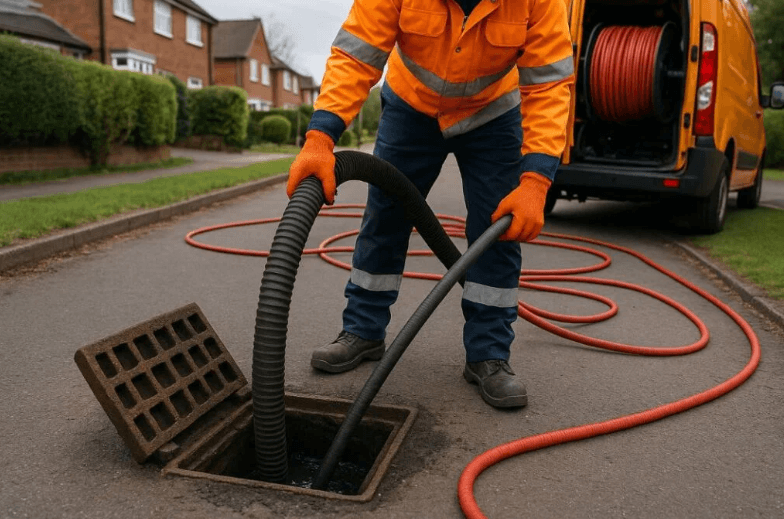
Drainage is not usually the first thing small business owners think about when managing day-to-day operations. Customers, staff, stock, cash flow, and marketing tend to take priority. However, drainage responsibility is an important part of running a safe, compliant, and functional business premises. When something goes wrong, the disruption can be costly, messy, and stressful.
Understanding what you are responsible for can help you prevent problems, respond quickly, and avoid unexpected expenses.
Why Drainage Matters For Small Businesses
A working drainage system keeps wastewater moving safely away from your property. For businesses such as cafes, restaurants, salons, offices, workshops, retail units, and rural premises, drainage issues can affect hygiene, customer experience, staff safety, and even your ability to operate.
Blocked drains, foul odors, slow sinks, overflowing gullies, and sewage backups can quickly become serious. Even a minor issue can create disruption if it affects toilets, kitchens, outdoor areas, or customer-facing spaces.
Knowing Where Responsibility Starts
In many cases, business owners or commercial tenants are responsible for maintaining drains within the boundary of their property. This may include pipework, inspection chambers, gullies, grease traps, septic tanks, or private treatment systems.
Public sewers are usually the responsibility of the local water company, but private drains and systems are often the responsibility of the property owner, landlord, or tenant depending on the lease agreement. This is why it is important to check your commercial lease, property documents, and maintenance obligations carefully.
If you are unsure, getting professional advice from a drainage specialist such as John Howe Ltd can help you understand what applies to your site and what maintenance may be needed.
Common Drainage Problems Businesses Face
Small businesses can experience a range of drainage issues, especially if their premises handle food, oils, chemicals, high water usage, or regular customer footfall. Common problems include grease buildup, tree root intrusion, collapsed pipework, blocked toilets, overflowing drains, and poorly maintained septic systems.
For food businesses, fat, oil, and grease are major causes of blockages. For rural businesses, private sewage treatment plants or septic tanks may need regular servicing, emptying, and inspections. For older commercial buildings, pipework may also be more vulnerable to wear, cracks, and poor flow.
Why Prevention Is Better Than Emergency Repairs
Waiting until a drain fails is rarely the cheapest option. Emergency callouts, business downtime, cleanup costs, and possible health and safety concerns can all add up quickly.
Preventive maintenance helps identify issues before they become disruptive. This may include regular drain cleaning, CCTV surveys, grease trap servicing, septic tank emptying, and checking external drains after heavy rain.
Keeping simple records of inspections and maintenance can also be helpful, especially if you need to show that your business has taken reasonable steps to manage its responsibilities.
See also: Making Yourself The Ultimate Power Businesswoman
What To Do If A Problem Appears
If you notice slow drainage, bad smells, gurgling sounds, damp patches, or recurring blockages, do not ignore them. These can be early warning signs of a bigger issue.
Stop using affected facilities where possible, avoid pouring chemicals or excess water into the system, and contact a qualified drainage professional. Acting quickly can reduce damage and help keep your business running.
Summing Up
Drainage responsibility may not be the most exciting part of owning a business, but it is one of those practical details that can make a big difference. By knowing your obligations, maintaining your system, and responding early to warning signs, you can protect your premises, your customers, and your bottom line.

![[pii_email_39b488ed3a6ea57f1f5b]](https://fusionpowertech.com/wp-content/uploads/2023/05/download-17.png)