Keeping your home comfortable year-round can be expensive, especially in places where temperatures regularly reach extremes. Heating and cooling systems account for a significant share of household energy use, yet many homeowners rarely consider how efficiently their equipment operates.
With rising utility costs and growing interest in sustainable living, improving indoor climate control has become an important consideration. Fortunately, reducing energy waste doesn’t necessarily mean sacrificing comfort or investing in expensive technology.
Where Energy Gets Wasted
One of the biggest causes of unnecessary energy consumption is an inefficient heating or cooling system. Older equipment may struggle to maintain consistent temperatures, requiring longer operating periods and using more electricity than necessary.
Poor insulation, blocked air filters, and leaking ductwork can also waste energy. When conditioned air escapes or outdoor temperatures influence indoor spaces, HVAC systems have to work harder to compensate.
Identifying these problems is often the first step towards improving efficiency. Regular inspections and simple maintenance tasks can help homeowners understand where improvements might be needed.
Smart Thermostats Offer Greater Control
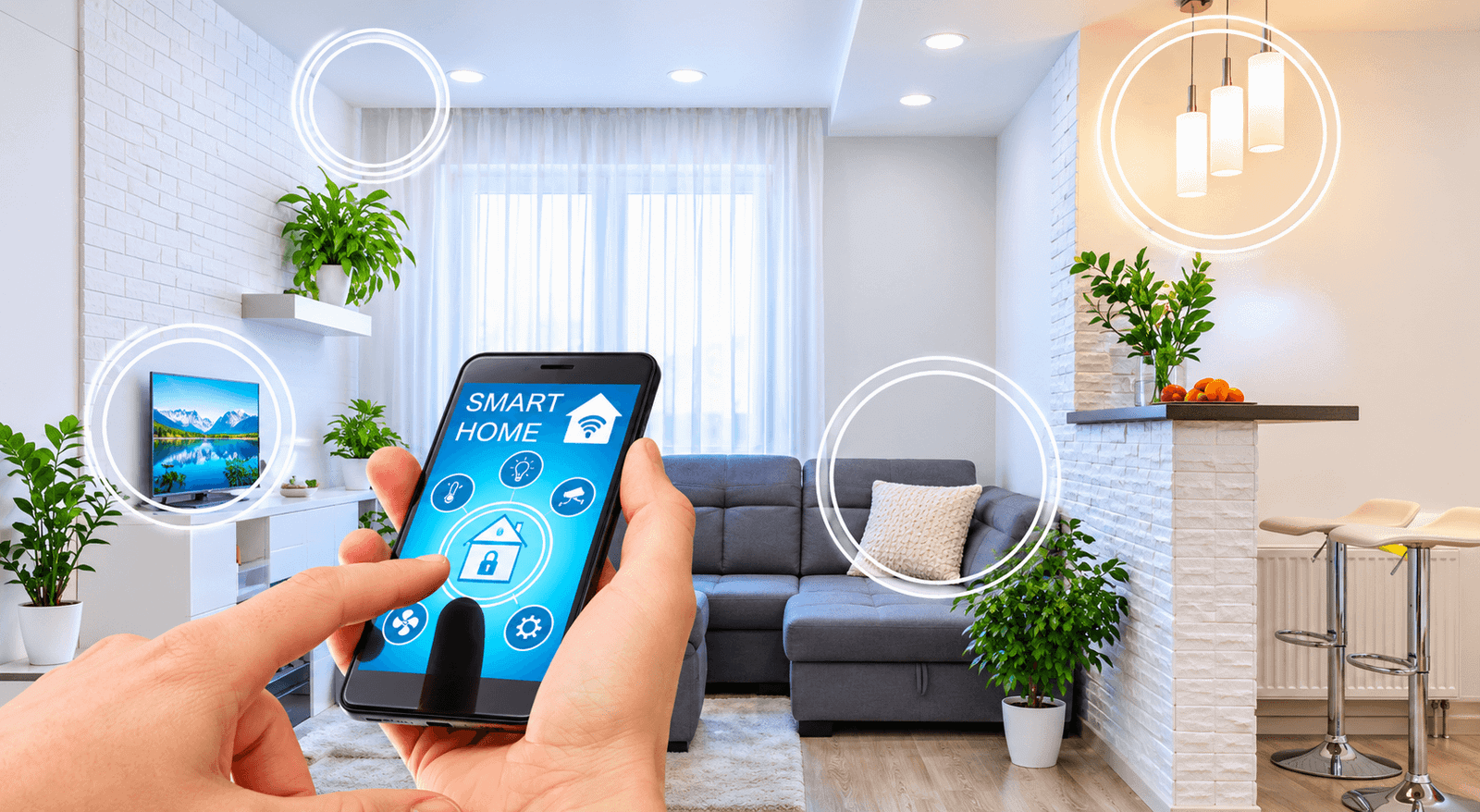
Smart thermostats have made managing indoor temperatures considerably easier. Many models let homeowners create schedules, adjust settings remotely, and monitor energy consumption through smartphone apps.
Instead of maintaining the same temperature throughout the day, a programmable system can reduce unnecessary heating or cooling when nobody is home.
Some devices can also learn household routines and suggest adjustments based on typical usage patterns.
However, smart technology works best when paired with an efficient heating and cooling system. Installing a sophisticated thermostat won’t necessarily solve problems caused by poorly maintained equipment.
Professional Maintenance Makes a Difference
Even modern HVAC systems require regular attention to operate efficiently. Dirty components, restricted airflow, and worn parts can affect performance and potentially increase energy consumption.
For homeowners researching HVAC Tucson AZ services, professional inspections can help identify maintenance requirements and determine whether existing equipment is suitable for the region’s demanding summer temperatures.
Routine servicing may involve checking electrical connections, cleaning components, inspecting refrigerant systems, and assessing overall performance.
Addressing smaller problems early can help prevent more expensive repairs while supporting consistent indoor comfort.
Insulation and Airflow Shouldn’t Be Overlooked
Efficient climate control involves more than the heating and cooling equipment itself. A well-insulated home can maintain comfortable temperatures for longer, reducing the amount of work required from its HVAC system.
Sealing gaps around windows and doors can help prevent unwanted heat transfer. Attic insulation and appropriate window coverings may also reduce cooling demands during hot weather.
Good airflow is equally important. Keeping vents unobstructed and replacing filters per the manufacturer’s recommendations can help conditioned air circulate properly.
These relatively straightforward improvements can complement more advanced climate control technology.
See also: Revolutionizing cargo inspections with advanced scanning tech
Finding the Right Balance Between Comfort and Efficiency
Every household has different heating and cooling requirements, depending on its size, layout, local climate, and daily routines.
Rather than making dramatic temperature adjustments, homeowners can experiment with modest changes and monitor how they affect comfort and energy consumption.
Energy-efficient equipment may also be worth considering when an older system approaches the end of its useful life. Comparing efficiency ratings and installation costs can help determine whether an upgrade makes financial sense.
Better climate control isn’t simply about installing the latest technology. It’s about combining appropriate equipment, regular maintenance, and sensible household habits.
By paying attention to how their homes use energy, homeowners can reduce unnecessary waste, manage utility costs and maintain a comfortable living environment throughout the year.