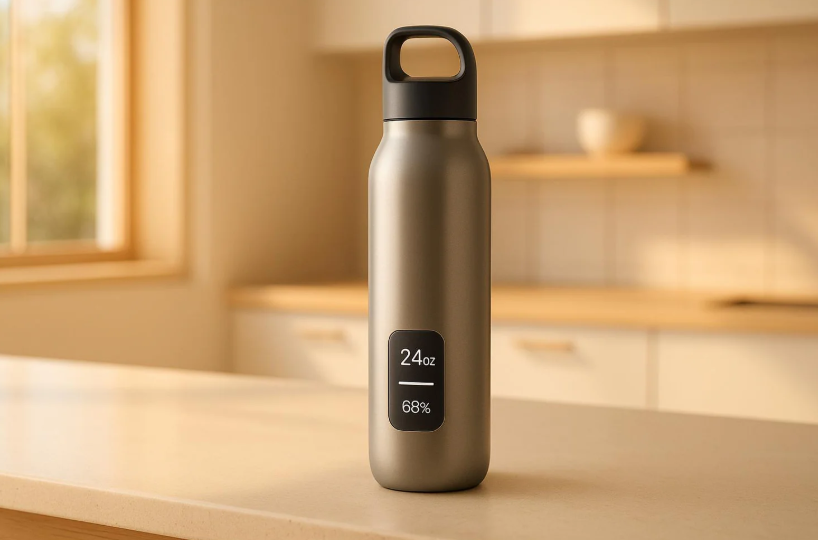
The stainless steel water bottle manufacturing industry plays a critical role in supporting healthier lifestyles and sustainable consumption. As awareness grows around plastic waste and long-term health concerns, stainless steel bottles have become a preferred choice for individuals, businesses, and institutions worldwide. Behind these everyday products is a complex manufacturing ecosystem that combines engineering precision, material science, and evolving consumer expectations. Understanding this industry offers insight into how modern manufacturing responds to global demand for quality and responsibility.
The Shift Toward Stainless Steel Solutions
Reusable water bottles are no longer niche products. They are everyday essentials used in offices, schools, gyms, and outdoor environments. Stainless steel has emerged as the leading material because it offers durability, safety, and longevity. Unlike plastic alternatives, stainless steel does not retain odors, stain easily, or degrade after repeated use.
This shift has encouraged manufacturers to scale production while maintaining high standards. A reliable water bottle manufacturer must balance cost efficiency with consistent quality, ensuring products meet the expectations of both individual consumers and large commercial buyers.
Material Selection and Its Impact on Quality
The foundation of any stainless steel bottle lies in the raw material. Food-grade stainless steel is carefully selected for its corrosion resistance and non-reactive properties. Commonly used grades provide strength while remaining lightweight, which is essential for portability.
Material inspection is a crucial first step. Manufacturers conduct chemical composition checks and surface inspections to ensure the steel meets safety and performance requirements. High-quality raw materials reduce defects later in production and contribute to a longer product lifespan.
Core Manufacturing Processes
The transformation from steel sheet to finished bottle involves multiple stages. Sheets are cut and shaped using forming techniques that create uniform walls and consistent dimensions. Precision at this stage ensures structural integrity and a comfortable grip for the end user.
Welding is another critical process. Clean, accurate welds prevent leaks and maintain the bottle’s durability under daily use. After forming, bottles undergo surface treatments such as polishing, brushing, or coating to enhance appearance and improve resistance to scratches.
Each stage is carefully monitored to ensure consistency, especially in large-scale production environments.
Insulation Technology and Performance Expectations
Modern consumers often expect stainless steel bottles to maintain beverage temperature. Double-wall vacuum insulation has become an industry standard for premium products. This technology minimizes heat transfer by creating a vacuum layer between inner and outer walls.
Producing effective insulation requires specialized machinery and skilled technicians. Bottles are tested for thermal performance to ensure they can keep drinks hot or cold for extended periods. This performance reliability directly influences customer satisfaction and brand reputation.
Design and Functional Innovation
Design plays a growing role in stainless steel water bottle manufacturing. Consumers look for bottles that are not only functional but also visually appealing. Shape, size, and finish all contribute to user experience.
Functional design elements such as wide mouths for easy cleaning, narrow bases for cup holder compatibility, and ergonomic contours enhance everyday usability. Lid design has also evolved, with leak-resistant closures, flip tops, and carry handles becoming common features. These innovations reflect how manufacturers adapt products to real-world use.
See also: Timeshealthmag Com: Timeshealthmag.Com: Latest Health News and Insights
Customization and Market Differentiation
Customization has become an important differentiator in the market. Businesses frequently use stainless steel bottles for branding, promotions, and corporate gifting. This has increased demand for personalized designs, colors, and finishes.
A flexible water bottle manufacturer can accommodate customization without disrupting production efficiency. Laser engraving, printing, and color coating allow brands to showcase their identity while offering a practical product. This ability to combine utility with branding value has expanded the water bottle manufacturer beyond personal use.
Sustainability and Responsible Production
Sustainability is a defining factor in the industry’s growth. Stainless steel bottles support environmental goals by reducing reliance on disposable plastics. Manufacturers are strengthening this benefit by adopting responsible production practices.
Energy-efficient machinery, recycling of scrap metal, and reduced water usage during finishing processes are becoming standard. Packaging is also evolving, with many manufacturers choosing recyclable or minimal packaging to reduce waste. These efforts align production practices with the values of environmentally conscious consumers.
Quality Assurance and Compliance
Quality assurance ensures that stainless steel bottles are safe, durable, and reliable. Each product undergoes inspections for leaks, insulation performance, and surface safety. Consistent testing helps prevent defects and reinforces consumer trust.
Compliance with international food safety and material standards is essential for global distribution. Manufacturers must meet regulatory requirements across different markets, which requires thorough documentation and regular audits. Strong quality systems help manufacturers compete confidently on a global scale.
Challenges Within the Industry
Despite strong demand, the industry faces ongoing challenges. Raw material price fluctuations can affect production costs, requiring careful supply chain management. Competition is also increasing as more manufacturers enter the market.
Another challenge is maintaining skilled labor alongside automation. While technology improves efficiency, human expertise remains essential for quality control, customization, and innovation. Companies that invest in training and workforce development are better positioned to adapt to market changes.
Technology and the Future of Manufacturing
Automation and digital systems are reshaping stainless steel bottle manufacturing. Robotic welding, automated polishing, and digital inspection tools improve consistency and reduce waste. Data-driven production management helps optimize workflows and predict maintenance needs.
Looking ahead, innovation may focus on enhanced insulation, improved coatings, and smarter designs that respond to user needs. Manufacturers that prioritize research and development will continue to set industry standards.
Conclusion
The stainless steel water bottle manufacturing industry reflects the broader evolution of modern manufacturing, where quality, sustainability, and user experience are closely connected. From material selection and precision engineering to customization and environmental responsibility, each stage contributes to the final product’s value. As demand for reusable hydration solutions continues to rise, the role of a skilled water bottle manufacturer becomes increasingly important. By balancing innovation with reliability, the industry is well positioned to support a more sustainable and health-conscious future.