Introduction
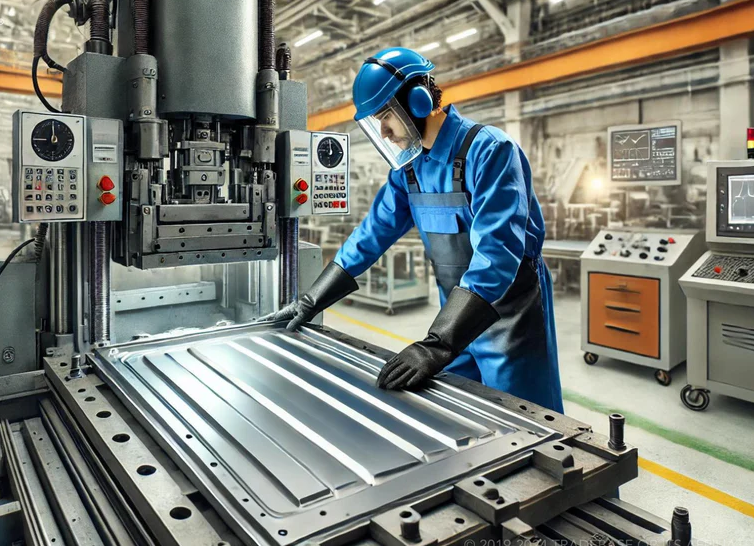
Metal fabrication is an industry built on precision, strength, and productivity. Press brakes are among the most essential machines in this field, enabling operators to bend and shape metal sheets with high accuracy. However, these powerful machines also present significant hazards if proper safety protocols are not followed. Ensuring a secure work environment requires a combination of technology, training, and adherence to regulatory standards. This article explores best practices in press brake guarding, highlighting its importance in preventing accidents, promoting compliance, and maintaining operational efficiency.
Understanding Press Brake Hazards
Common Risks Associated with Press Brakes
Press brakes operate by applying substantial force to form metal, creating potential hazards for operators and nearby personnel. Some of the most common risks include:
- Crushing Injuries: Moving parts, such as the ram and die, can trap hands or limbs, resulting in severe injuries.
- Shearing Hazards: The point of contact between the punch and die creates a shearing zone that can cut operators or assistants.
- Flying Debris: Improperly secured metal or worn tooling can release fragments at high speed, posing risks to the eyes and body.
- Mechanical Failures: Malfunctioning components, misaligned tooling, or worn parts can increase the likelihood of accidents.
Awareness of these hazards is critical for both operators and management to implement effective safety measures.
Real-Life Example
In a manufacturing facility, an operator attempted to adjust a metal sheet during the press cycle without proper safeguards. Despite experience and skill, a minor injury occurred due to a lapse in guarding. This incident underscores the necessity of combining operator training with reliable press brake guarding solutions.
Regulatory Framework and Compliance
OSHA Standards for Press Brakes
The Occupational Safety and Health Administration (OSHA) sets forth standards designed to protect workers from machinery hazards. While press brakes do not have a dedicated standard, they fall under general machine guarding regulations. OSHA emphasizes the importance of:
- Installing safeguards to prevent access to dangerous areas
- Implementing emergency stop systems
- Providing adequate employee training on safe operation
- Conducting regular inspections and maintenance of equipment
Compliance with these standards is not only a legal obligation but also a critical component of a safe work environment.
Employer Responsibilities
Employers are responsible for creating a workplace that prioritizes safety. Their duties include:
- Conducting hazard assessments for press brake operations
- Installing appropriate guarding and safety devices
- Ensuring employees are trained and competent in safe operation
- Maintaining records of inspections, training sessions, and incident investigations
These responsibilities form the foundation of a robust safety culture.
The Role of Press Brake Guarding
Types of Guarding
Proper press brake guarding is essential for preventing injuries and maintaining compliance. Common types of guarding include:
- Fixed Guards: Permanent barriers that block access to dangerous zones during operation.
- Interlocked Guards: Safety devices that automatically stop the machine when a guard is opened.
- Presence-Sensing Devices: Systems like light curtains, pressure-sensitive mats, or two-hand controls that prevent the machine from operating if someone is within the danger area.
- Laser-Based Systems: Advanced laser guards detect operator presence with high precision, stopping the press brake instantly if a hand enters the risk zone.
Benefits of Advanced Guarding Systems
Incorporating modern guarding systems enhances safety and productivity. Key advantages include:
- Rapid Hazard Response: Sensors and interlocks immediately halt operation if a risk is detected.
- Enhanced Visibility: Operators can monitor the workpiece without obstruction from bulky barriers.
- Operational Efficiency: Guards designed for flexibility allow faster material handling while maintaining safety.
- Reduced Risk of Injury: Comprehensive guarding mitigates both minor and severe accidents, creating a safer workplace.
See also: Series Kleiner Perkinsann Azevedotechcrunch
Training and Education
Comprehensive Operator Training
Operator training is crucial for press brake guarding to be effective. Training should cover:
- Identifying hazards and dangerous zones
- Understanding the functions and limitations of guarding systems
- Safe setup and operation procedures
- Emergency shutdown and response protocols
Hands-on training ensures operators are comfortable with the machine and understand the practical applications of safety measures.
Refresher Courses and Ongoing Learning
Safety is an ongoing process. Regular refresher courses reinforce safe behaviors, introduce new technologies, and review lessons learned from past incidents. Scenario-based exercises, such as simulated machine malfunctions, help operators develop problem-solving skills in a controlled environment.
Mentorship Programs
Pairing new operators with experienced personnel allows for real-time coaching and feedback. Mentors can demonstrate correct procedures, highlight potential risks, and reinforce the importance of press brake guarding.
Fostering a Safety-First Workplace Culture
Leadership Commitment
Creating a culture of safety begins with management. Leaders must actively engage in safety initiatives, conduct regular inspections, and reward employees who demonstrate safe practices. Visible commitment from management encourages employees to take safety seriously.
Employee Engagement
Workers should feel empowered to report hazards and suggest improvements. Anonymous reporting systems and regular safety meetings promote transparency and shared responsibility. Encouraging open communication ensures that potential risks are addressed promptly.
Daily Safety Practices
Incorporating short daily rituals, such as pre-shift inspections, toolbox talks, and hazard assessments, keeps safety top of mind. Even brief checks can prevent serious accidents and reinforce the importance of vigilance.
Inspection and Maintenance
Routine Equipment Inspections
Regular inspections help identify potential hazards before they result in accidents. Key items to inspect include:
- Machine guards and interlocks
- Control systems and emergency stops
- Tooling and dies
- Hydraulic and electrical components
Maintaining detailed inspection logs enhances accountability and supports regulatory compliance.
Preventive Maintenance
Scheduled maintenance ensures that both the press brake and its guarding systems function reliably. Preventive measures include lubrication, component replacement, calibration of sensors, and cleaning of laser or light-based detection systems. Addressing minor issues early prevents serious malfunctions and potential injuries.
Responding to Incidents
Immediate Response
If an accident or near miss occurs, operators should stop the machine immediately, provide first aid, and secure the area to prevent additional harm.
Investigation and Improvement
A thorough investigation identifies root causes, contributing factors, and corrective measures. Sharing findings with the workforce ensures that lessons are learned and similar incidents are avoided in the future.
Continuous Learning
Creating a feedback loop allows safety practices to evolve over time. Employees can suggest improvements, and management can adjust procedures and training programs to enhance overall press brake guarding.
Conclusion
Press brakes are essential machines in metal fabrication, but they come with inherent risks. Prioritizing press brake guarding through advanced technology, comprehensive training, regulatory compliance, and a strong safety culture reduces the likelihood of accidents and promotes operational efficiency. Implementing robust safety measures not only protects employees but also enhances productivity and workplace morale. A safe work environment is a productive work environment, and investing in effective press brake guarding is a step toward achieving both goals.