Introduction to filtration geotextile in Civil Engineering
Effective water management is a fundamental requirement in construction and geotechnical engineering. Poor drainage can lead to soil erosion, structural instability, and premature failure of infrastructure systems. One of the most reliable and widely used solutions to manage subsurface water flow is filtration geotextile. This engineered synthetic fabric allows water to pass through while preventing soil particles from migrating into drainage layers.
Filtration geotextile has become a standard component in projects ranging from highways and retaining walls to landfills and coastal protection systems. Its versatility, durability, and cost efficiency make it an essential material in modern construction practices.
What Is filtration geotextile?
Filtration geotextile is a permeable textile material, typically manufactured from polypropylene or polyester fibers, designed to perform separation and filtration functions. Its primary purpose is to:
- Retain soil particles
- Allow controlled water flow
- Prevent clogging of drainage aggregates
- Improve overall system stability
Unlike impermeable membranes, filtration geotextile facilitates water movement while maintaining soil integrity, making it ideal for drainage-related applications.
Types of filtration geotextile Materials
Two major types of geotextiles are used in filtration applications.
Nonwoven Geotextiles
Nonwoven fabrics are created through needle-punching or thermal bonding of fibers. These materials provide high permeability and excellent filtration capacity. Because of their three-dimensional pore structure, nonwoven geotextiles are widely used in:
- Subsurface drainage systems
- Retaining wall backfill
- Road construction
- Erosion control installations
They are the most common choice for filtration geotextile applications.
See also: What is The Future of Construction Materials?
Woven Geotextiles
Woven geotextiles are produced by interlacing synthetic yarns. While they offer high tensile strength, their permeability is typically lower than nonwoven fabrics. In certain controlled filtration environments, woven materials can be used when reinforcement and separation are equally important.
Key Performance Characteristics
Selecting the correct filtration geotextile requires understanding several technical properties.
Permittivity
Permittivity measures how quickly water can flow through the fabric. A high permittivity ensures effective drainage and prevents hydrostatic pressure buildup behind structures.
Apparent Opening Size (AOS)
AOS determines the size of particles that can pass through the fabric. It must be selected according to soil particle distribution to ensure effective soil retention without clogging.
Tensile Strength
Although filtration is the primary function, tensile strength ensures the fabric withstands stresses during installation and under soil loads.
Puncture Resistance
In projects involving sharp aggregates or heavy equipment, puncture resistance is essential to prevent fabric damage.
Applications of filtration geotextile in Construction
Filtration geotextile is used across multiple infrastructure sectors.
Retaining Walls
Behind retaining walls, water accumulation can create hydrostatic pressure. Filtration geotextile separates drainage stone from native soil, allowing water to drain while preventing soil movement.
Road and Highway Construction
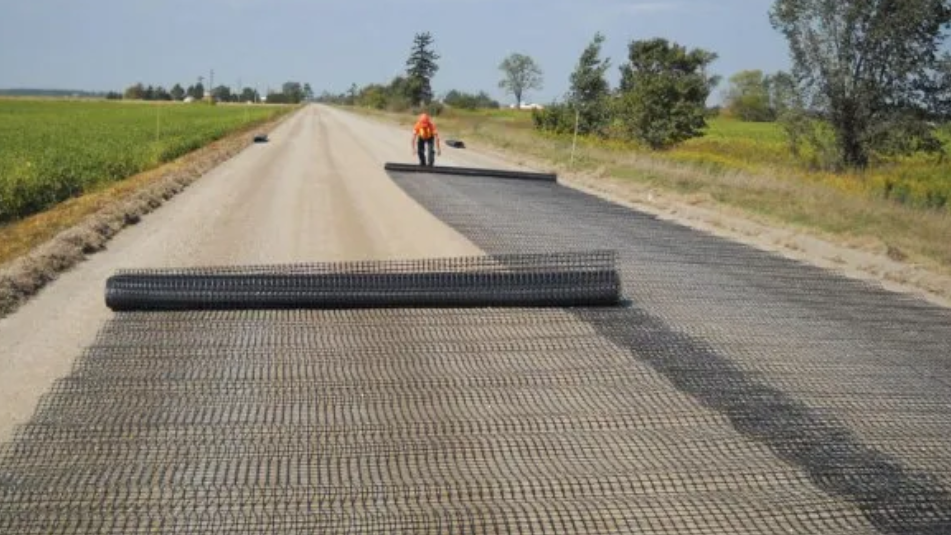
In pavement systems, filtration geotextile prevents subgrade soils from mixing with aggregate base layers. This improves load distribution and extends pavement lifespan.
Drainage Systems
In French drains and underdrain systems, the fabric wraps around perforated pipes or gravel to allow water infiltration while retaining soil particles.
Landfills and Environmental Projects
In landfill construction, filtration geotextile supports leachate collection systems and prevents clogging of drainage layers.
Coastal Protection and Riprap Installations
Under riprap or rock armor systems, the fabric prevents soil washout caused by wave action or flowing water.
Advantages Over Traditional Filter Layers
Before synthetic materials were introduced, granular filter layers were commonly used. While effective, they required precise gradation and significant thickness.
Filtration geotextile offers several advantages:
- Reduced material thickness
- Easier transportation and installation
- Lower overall project cost
- Consistent filtration performance
- Faster construction timelines
These benefits make it an attractive solution for both small-scale and large-scale infrastructure projects.
Design Considerations for Long-Term Performance
To ensure optimal functionality, engineers must consider several design factors.
Soil Compatibility
The fabric’s opening size must match the surrounding soil characteristics to prevent clogging or particle migration.
Hydraulic Conditions
Water flow rates and pressure conditions influence fabric selection. High-flow environments require fabrics with greater permittivity.
Installation Quality
Proper installation includes smoothing the subgrade, overlapping seams adequately, and protecting the fabric during aggregate placement.
Environmental Exposure
In applications exposed to sunlight, the fabric should be covered promptly to prevent UV degradation.
Careful attention to these factors ensures that filtration geotextile performs effectively throughout the structure’s service life.
Contribution to Sustainable Infrastructure
Sustainability in construction involves improving durability while reducing resource consumption. Filtration geotextile supports sustainable development by:
- Reducing soil erosion
- Enhancing drainage efficiency
- Extending structural lifespan
- Minimizing maintenance requirements
By improving water management and preventing structural failure, it reduces the need for costly repairs and material replacement.
Common Challenges and Preventive Measures
Although filtration geotextile is highly reliable, potential issues include:
Clogging
Improper selection of opening size may lead to clogging. Conducting proper soil analysis minimizes this risk.
Mechanical Damage
Tears or punctures can occur during installation. Gentle aggregate placement and avoiding sharp objects protect fabric integrity.
Improper Overlapping
Insufficient overlap between fabric sections may allow soil intrusion. Following recommended overlap guidelines prevents this issue.
Addressing these concerns ensures the filtration system remains effective for years.
Conclusion
Filtration geotextile is an indispensable component in modern civil engineering projects. Its ability to allow water flow while retaining soil particles makes it essential for drainage systems, retaining walls, roads, and environmental applications.
With proper design, selection, and installation, filtration geotextile enhances structural performance, reduces erosion risks, and supports sustainable infrastructure development. As construction standards continue to evolve, the importance of efficient filtration solutions will only increase.
Frequently Asked Questions
What is filtration geotextile used for?
It is used to separate soil from drainage layers while allowing water to pass through, preventing erosion and clogging.
Is nonwoven or woven geotextile better for filtration?
Nonwoven geotextiles are generally preferred for filtration due to their higher permeability and better soil retention characteristics.
Can filtration geotextile prevent hydrostatic pressure?
Yes, by allowing water to drain efficiently, it helps reduce hydrostatic pressure buildup behind retaining walls and structures.
How long does filtration geotextile last?
When properly installed and protected from UV exposure, it can last for decades depending on site conditions.
Is filtration geotextile environmentally friendly?
Yes, it supports erosion control and sustainable water management, contributing to long-term environmental stability.