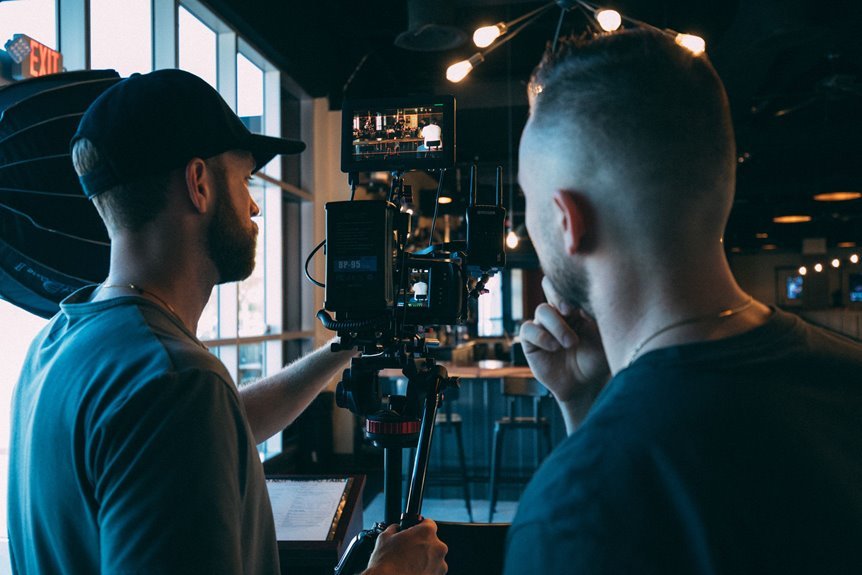
A successful video shoot begins with a clear vision, metrics, and a practical plan. Teams define roles, sharpen communication, and map skills to tasks. Locations are scouted, scenes mapped, and logistics aligned. Shot lists, storyboards, schedules, and budgets frame each decision. The result is a disciplined cadence that invites collaboration, risk awareness, and contingency thinking. The path reveals itself only when each element aligns—and the next step awaits with a precise, necessary prompt.
Define the Vision and Success Metrics
Defining the vision and success metrics establishes a clear north star for the shoot, aligning creative intent with measurable outcomes. The approach quantifies ambitions through vision metrics and success indicators, offering concrete benchmarks for progress.
This collaborative, precise framing enables flexible experimentation while preserving purpose, empowering teams to pursue freedom within a shared objective, and ensuring every creative choice advances the defined results.
Build Your Crew: Roles, Skills, and Communication
Effective crew formation begins with clear Roles and Responsibilities, ensuring every member understands their tasks and intersections. Establish Communication Protocols upfront to streamline decisions, information flow, and accountability, while identifying Skill Gaps and planning targeted assessments to guide hiring or training. With this structure, the team can anticipate needs, collaborate efficiently, and align on shared success metrics.
Roles and Responsibilities
A clear crew structure is the backbone of a smooth shoot, aligning each role with specific skills, responsibilities, and communication channels to ensure seamless collaboration from preproduction through wrap.
Roles and responsibilities are defined by purpose, not title alone, enabling autonomy, accountability, and cross-functional fluency.
Budgeting basics and workflow optimization guide allocation, collaboration incentives, and timely decision-making across a visionary, freedom-loving team.
Communication Protocols Established
Clear communication channels fortify a shoot’s cohesion and speed, especially when roles and skills are already aligned. Clear communication structures the workflow, clarifies decisions, and reduces friction. Feedback loops enable rapid course corrections without derailment. Protocols mandate concise briefs, designated channels, and timely updates, preserving autonomy while ensuring alignment, transparency, and accountability across all crew members.
Skill Assessment and Gaps
Skill assessment and gap analysis map the crew’s current capabilities against project demands, illuminating both strengths to leverage and gaps to fill.
A structured review identifies skill gaps and assessment needs, guiding role assignments and training.
This collaborative process empowers teams to adapt, align resources, and pursue creative freedom with clear metrics, accountability, and continuous improvement toward a cohesive, high-impact production.
Scout Locations and Plan Scenes Efficiently
The scouts map efficient routes to minimize transitions, while identifying key lighting opportunities and sound considerations along each path.
A scene setup checklist frames what equipment, permissions, and safety measures are required before arriving on site.
This heads-up approach invites collaboration across the crew to align on timing, contingencies, and seamless execution of planned scenes.
Scout Efficient Routes
Rapid, systematic scouting identifies routes and locations that minimize time and maximize scene flexibility, aligning transportation timelines with lighting windows and talent availability. This disciplined navigation emphasizes route efficiency and travel time, balancing realism with ambition.
The approach remains collaborative, empowering crews to adjust plans, share insights, and optimize contingencies. Precise маршрутизирование? No; concise, forward-thinking routing enables fluid, creative freedom.
Scene Setup Checklist
Scene setup begins with a precise, collaborative framework: scouts verify locations, map access routes, and catalog practical constraints so that each scene can be staged with minimal disruption.
The checklist guides location selection, scene ambiance, and lighting tone alignment, ensuring flexible, responsive plans.
Clear communication and tested workflows empower crews, fostering freedom, efficiency, and bold, intentional storytelling across evolving environments.
Create a Shot List and Storyboard for Clarity
How can a clear shot list and storyboard align the team toward a common vision and reduce ambiguity early in production? A disciplined shot list guides each crew role, while storyboard planning visualizes sequences, shots, and transitions. This clarity empowers autonomous collaboration, speeds decisions, and preserves creative intent, enabling freedom within structure and ensuring efficient, aligned execution across the shoot.
Set a Realistic Schedule and Timeline
A realistic schedule and timeline anchors the production, aligning expectations and coordinating every department around shared milestones. The plan embraces topic realism, balancing creative needs with practical constraints. Clear milestones guide shoot pacing, reducing ambiguity and fostering accountability. In a collaborative framework, teams anticipate dependencies, adjust buffers, and stay adaptable.
Freedom-minded leaders cultivate discipline without rigidity, ensuring momentum while honoring inventive momentum and human schedules.
Budget Mindfully: Costs, Contingencies, and Tools
Budget mindful budgeting sets the framework for success by detailing essential costs and identifying buffers for unforeseen events.
It introduces practical contingency planning tools that enable quick, data-driven adjustments without derailing the project.
This cooperative approach aligns stakeholders around transparent numbers, forecasting, and disciplined resource management.
Budgeting Essentials
Effective budgeting for a video shoot requires a clear map of anticipated costs, built-in contingencies, and the right toolkit to monitor every line item.
The process remains visionary yet precise, inviting collaboration while preserving freedom.
Attention to budgeting pitfalls and diverse funding sources strengthens strategy, guiding stakeholders toward transparent allocation, lean operations, and sustainable growth without compromising creative momentum.
Contingency Planning Tools
In contingency planning for a video shoot, teams map potential shocks—weather delays, equipment gaps, talent availability—and translate them into actionable buffers, ensuring budgets remain resilient without stifling creativity.
The approach emphasizes contingency drills and backup resources, aligning costs with risk tolerance.
This disciplined framework fosters collaborative decision-making, enabling crews to pivot swiftly while preserving artistic freedom and project integrity.
Gear Strategy: Must-Haves Without Waste
How can a well-curated kit empower a shoot without excess, aligning every item with the core vision and timeline? A disciplined gear strategy centers on purpose, not volume. It enables gear synergy and invisible support, while preserving creative freedom. Efficient selection respects camera ergonomics, reducing setup time and fatigue, enabling collaborators to focus on storytelling, timing, and impact.
Location Prep: Permits, Logistics, and Accessibility
Location prep establishes the blueprint for a shoot by securing permits, aligning logistics, and ensuring accessibility, so teams move with certainty from concept to capture. This phase clarifies constraints, coordinates site access, and secures location permits, while planning accessibility logistics to accommodate diverse crew and gear. The result is a liberated workflow, where responsible preparation enables bold creative timing and collaboration.
Rehearsals, Checks, and On-Set Workflow
Rehearsals, checks, and on-set workflow converge to align intent with execution, transforming preparation into disciplined momentum.
The process establishes a clear rehearsal cadence, synchronizing actors, crew, and equipment while preserving creative freedom.
On-set safety grounds decisions in shared responsibility, enabling agile adjustments without sacrificing vision.
Collaboration yields precise protocols, transparent communication, and streamlined checks, fostering calm, purposeful momentum throughout production.
Risk Management and Contingency Planning
Risk management and contingency planning extend the momentum from rehearsals and on-set workflow into a planned framework that anticipates disruption and preserves creative intent. The framework emphasizes risk assessment, backup policies, contingency planning, safety protocols, emergency routes, data backup, weather contingency, insurance considerations, incident reporting, downtime recovery, tamper safeguards, crowd control, power redundancy, disaster drills, remote communication, legal compliance, vendor alternates.
Frequently Asked Questions
How Do You Measure Shoot Success Beyond Numbers?
Measured storytelling guides success beyond numbers, as teams gather qualitative feedback, seeking resonance, clarity, and emotional truth. The approach remains visionary yet precise, collaborative and freedom-forward, valuing nuanced impact over metrics, and translating feedback into meaningful, shared creative evolution.
What Legal Issues Must You Address Before Filming?
“Imagine”—the question faces the reader as a compass. The film crew must address legal issues, securing filming permissions, drafting contracts, and obtaining permits, ensuring compliance, clarity, and collaboration to shield creativity and empower fearless, lawful storytelling.
How to Handle Weather Disruptions on Set?
Weather disruptions are managed with a weather contingency plan, wind precautions, coupled with lighting safety, rain protection; a visionary, precise approach fosters collaboration, enabling the crew to adapt freely while maintaining creative momentum and safety.
What Are Common Crew Fatigue Signs and Remedies?
Common crew fatigue signs include diminished alertness, slower reaction times, and decreased collaboration; remedies emphasize deliberate crew rest, pacing, and rotation, while mitigating composer burnout through shared leadership and restorative breaks for sustainable, visionary production.
How to Keep Clients Aligned During Production?
Like a compass needle finding true north, he ensures client alignment during production through structured alignment rituals that reinforce client expectations, foster transparency, and keep teams collaborative and visionary while preserving creative freedom.
Conclusion
In a collaborative, forward-looking finish, the team aligns vision with every tangible step, turning plans into momentum. Each role knows its beat, each scene breathes with purpose, and risks are transformed into actionable backups. With budgets, schedules, and permits harmonized, production flows like a well-tuned machine. The result is clarity under pressure, resilience in the face of change, and a shared sense of achievement—proof that a project can rise from rough sketches to a polished sunrise. It’s a well-oiled plan that keeps everyone dry when the rain comes.