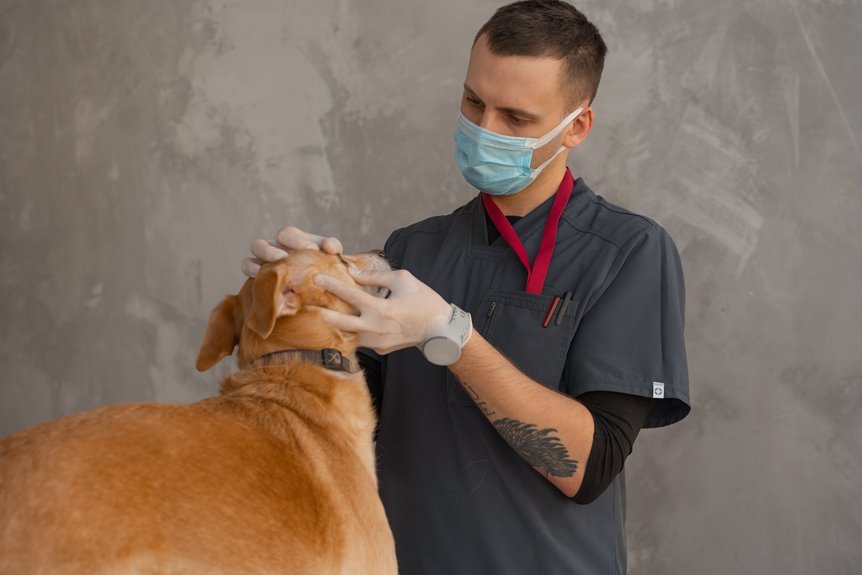
Pets can hide illness behind normal behavior. Sudden mood shifts, persistent lethargy, appetite or thirst changes, and any alterations in urination warrant prompt veterinary input. Breathing changes, fever, vomiting, or diarrhea, plus unusual skin, coat, or grooming shifts, also merit evaluation. At home, note timing, duration, and triggers, and document observations with photos if possible. The pattern of these signals matters; recognizing them early may prevent complications. Consider what you’ve noticed and why it matters.
What Counts as a Veterinary Checkup Worth Watching For
A veterinary checkup worth watching for is defined by objective indicators of health requiring professional assessment. The criteria include observable symptoms, measurable vitals, and routine screening results that guide decisions, not routine curiosity. Insufficient data should prompt cautious evaluation rather than conclusion, while irrelevant topic distractions must be ignored. This framework supports informed, autonomous care within a broader, freedom-respecting veterinary partnership.
Sudden Mood Shifts or Lethargy: When to Schedule Now
Sudden mood shifts or prolonged lethargy in a pet warrant prompt veterinary assessment when they deviate from the animal’s baseline behavior. Watch for persistent mood changes, unusual sleep patterns, or sudden behavior changes that persist beyond 24–48 hours.
Early assessment supports diagnosis; owners should note timing, duration, and triggers. Quick action may prevent progression of serious conditions.
mood shifts, lethargy; sudden behavior changes, sleep patterns.
Eating and Drinking Clues: Appetite, Thirst, and Weight Changes
Eating and drinking patterns offer key clues to a pet’s health. Changes in appetite or weight may signal underlying illness or stress, while increased thirst can indicate hydration concerns or metabolic issues. Eating disorders and sudden weight loss warrant veterinary evaluation.
Owners should track intake, note persistent changes, and seek guidance; early assessment supports timely diagnosis and treatment, supporting overall well-being and freedom to thrive.
Differences in Urination or Voiding Habits You Should Not Ignore
Differences in urination or voiding habits can signal underlying health issues in pets and warrant timely attention. Changes in urine color or urine color variations, along with shifts in urination frequency, may indicate dehydration, infection, stones, or kidney problems. Monitor patterns, include pain signs during voiding, and seek veterinary evaluation if abnormalities persist or worsen promptly.
Physical Clues: Breathing, Temperature, Vomiting, or Diarrhea Signals
Breathing pattern changes and shifts in temperature are early signals that warrant attention, as they can reflect respiratory, circulatory, or systemic issues.
Abnormal respiration and vital signs warrant timely assessment, particularly when coupled with vomiting or diarrhea.
This section introduces how these physical clues may indicate the need for veterinary evaluation.
Breathing Pattern Changes
Breathing pattern changes can signal underlying distress and warrant prompt veterinary assessment.
The dog’s or cat’s breathing may become rapid, shallow, or irregular, or exhibit pauses lasting seconds. Subtle dyspnea can be present without obvious distress at rest. Owners should note rate, effort, noise, and symmetry, seeking evaluation if changes persist, worsen, or accompany coughing, lethargy, or collapse.
Temperature and Vital Signs
Temperature and vital signs provide objective clues that complement observed breathing patterns.
Temperature checks help identify fever or hypothermia, while pulse and capillary refill offer rapid perfusion insight.
Temperature and vital signs support decisive interpretation, guiding timely veterinary evaluation.
Routine monitoring informs decision-making about care and safety.
Temperature checks, vital sign interpretation, and trend awareness empower owners to act confidently.
Skin, Coat, and Grooming Changes That Signal Trouble
Changes in a pet’s coat color, along with symptoms such as itchiness or flaky skin, can signal dermatological or systemic issues requiring assessment. These signs may indicate allergies, infections, parasites, or hormonal conditions and warrant clinical evaluation to determine underlying causes. Clear documentation of color changes and skin texture helps veterinarians guide diagnosis and treatment decisions.
Coat Color Changes
Coat color changes can signal underlying health issues in pets, from dermatologic conditions to systemic illnesses. Differences may reflect genetic vs environmental causes, or indicate hormonal imbalances, aging, or nutritional deficiencies. Observing sudden or patchy changes warrants veterinary input, especially when accompanied by other signs.
Regular grooming and photo documentation aid evaluation, enabling timely diagnosis and appropriate care decisions.
Itchy Or Flaky Skin
Itchy or flaky skin is a common signal that a pet’s skin, coat, or grooming needs require attention, as causes range from allergies and parasites to infections and endocrine disorders.
Itchy skin may indicate itch-scratch cycles, while flaky skin can reflect dandruff, dry air, or nutritional gaps.
Veterinary evaluation helps identify underlying issues and guide effective management strategies for comfort and health.
Behavior Red Flags at Home: Pain, Discomfort, and Guarded Movements
Observing pet behavior at home can reveal pain, discomfort, and guarded movements that owners might otherwise miss; noticing these red flags early supports timely veterinary assessment.
The description remains evidence-based and concise: pain signals may appear as meandering or reluctance to move, while movement guarding indicates localized discomfort.
Recognizing these cues prompts professional evaluation, facilitating accurate diagnosis and targeted care.
Frequently Asked Questions
How Often Should I Schedule Routine Wellness Exams for My Pet?
A veterinarian typically recommends yearly wellness exams for healthy adult pets, with more frequent visits for aging or at-risk animals. Care routines and vaccination planning should be discussed, tailoring frequency to individual risk, lifestyle, and preventive needs.
What Vaccines Should My Pet Receive at Checkups?
Vaccines vary by species and risk; a veterinarian determines a tailored vaccination schedule, often including core and non-core options. Clinic protocols emphasize up-to-date immunizations, safety, and preventive care, with plans adjusted to lifestyle, exposure, and local disease prevalence.
Do Older Pets Need More Frequent Veterinary Visits?
Older pets often require more frequent visits due to accumulated medical risk; checkups may rise from annual to biannual. In one study, early detection improved outcomes. Old age elevates risk, but proactive care supports vitality and independence.
Can Dental Health Affect Overall Wellbeing and Visit Need?
Dental health significantly affects overall wellbeing, as dental disease can cause systemic issues and pain that lessen activity and appetite, prompting veterinary evaluation. Regular dental care supports comfort, vitality, and longer, freer movement for pets and their people.
What Signs Require Emergency Vet Care Immediately?
Emergency signs require immediate action; if a pet collapses, has trouble breathing, severe bleeding, seizures, or unconsciousness, seek veterinary care now. For unrelated topics, ignore signs of distress, and prioritize prompt assessment by professionals.
Conclusion
A veterinary checkup should be sought when notable changes arise, especially if mood shifts, lethargy, appetite, thirst, or weight differ from baseline. Urology changes, breathing differences, fever, vomiting, or diarrhea warrant prompt evaluation. Skin or coat shifts, pain behaviors, or guarded movements also deserve review. Even subtle signs matter; tracking timing, duration, triggers, and photos improves assessment. An estimated 12% of pets show at least one red-flag symptom monthly, underscoring the need for vigilant, evidence-based monitoring.