The complexity of modern construction projects in Australia keeps increasing due to various reasons, such as the need for strict adherence to the local building codes, growing sustainability requirements, etc. Thus, contemporary demands of the construction sector cannot be satisfied via the application of traditional approaches to project management.
The following guide highlights some of these challenges and describes the necessity for collaboration among different participants in a construction project and early engagement in the process for them to succeed.
The Silo Effect
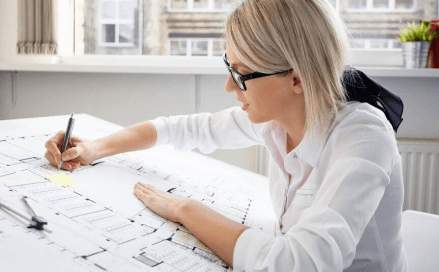
The silo effect means that each party within a construction project works in its separate isolated space without taking others’ needs into account. Usually, the architect is in charge of developing the concept of the building, which is later handed over to an engineer and a builder separately. As a result, each team works independently and may face some unforeseen problems that prevent smooth project development.
For example, when a project involves the use of a specific product (structural or architectural plywood), it is critical to consider this material at the beginning of the process since it requires certain preparation (grading, storage, etc.). In other words, the collaboration of builders and suppliers guarantees that the final building will comply with the initial vision of architects. For example, contact Bord to get the ball rolling early.
Potential Risks
Firstly, it is important to mention that building in silos makes the decision-making processes inefficient. When builders are not engaged at the concept stage, they do not receive valuable feedback on what needs to be changed or revised, resulting in numerous revisions and unnecessary material waste. Secondly, when a project is developed individually, there appears a lack of risk awareness and prevention strategies, which inevitably leads to increased project expenses and prolonged timeframes.
Benefits of Collaboration
Improved Decision-Making Process
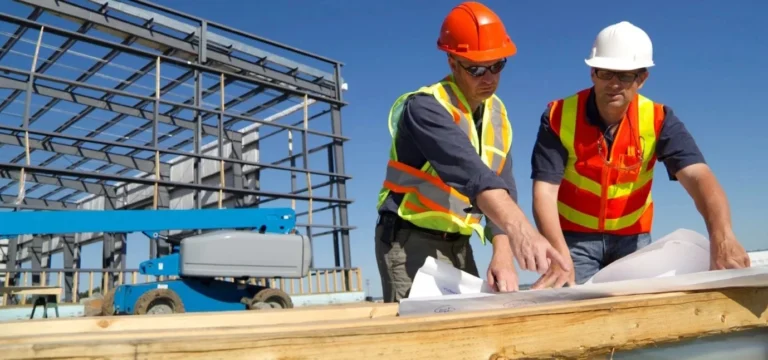
It becomes easier to find the optimal solution for a construction project when multiple opinions and views are taken into consideration. With integrated efforts of all teams, it becomes possible to ensure that there will be no conflicts between the initial plan and available materials. For instance, architects can receive feedback from builders concerning how feasible the concept is for implementation.
Risk Identification and Prevention
As mentioned above, construction projects are associated with numerous risks. However, collaboration helps to minimise some of them because each risk (e.g., material shortage) can be discussed and analysed at the early stage. Therefore, the team can come up with preventive measures that will help to resolve the issue in a timely manner.
Innovation
Early teamwork encourages team members to propose innovations since everyone will be able to test a new technique or discuss material application options. For example, suppliers can suggest using a particular plywood grade since it provides better protection against moisture and increases acoustics.
See also: Homerocketrealty .Com: Homerocketrealty.Com: Exploring Digital Real Estate
Strategies for Encouraging Collaboration
Integrated Project Delivery
Integrated project delivery implies that all stakeholders agree on a project and sign a single contract. In other words, a contractor, an architect, and an owner enter into a relationship based on common risk-taking and benefit-sharing. The fact is that all parties are equally responsible for the quality of their performance, thus, their motivation to collaborate is high.
Building Information Modelling
Building Information Modelling refers to a digital solution that facilitates the collaboration of teams by providing a 3D-model of the building. Professionals are able to assess the project from different angles; for example, the clash of plumbing and structural framing will be easily detected.
Communication Channels
Regardless of the fact that BIM software simplifies the process greatly, it is still critical to set up some transparent communication channels. They are needed to inform every participant about all changes made on-site. There are two options for doing this: arranging regular alignment meetings or establishing an online discussion platform.
All in All
Thus, collaboration plays a pivotal role in construction projects. The use of modern solutions (IPO and BIM) can help builders, architects, and suppliers to achieve common goals more efficiently. The future of the Australian construction industry depends on the willingness to break old silos and establish real partnerships. When working on the next project, you should invite your builders, engineers, and timber suppliers to the negotiation table.